

How to Choose the Right Dog Bed: A 2026 Guide
Table of Contents
- Why Choosing the Right Dog Bed Matters
- How to Measure a Dog for a Bed
- Understanding Your Dog's Sleeping Position and Needs
- Types of Dog Beds: Which Style Fits Your Dog
- Best Orthopedic Dog Beds for Arthritis and Joint Support
- Key Features That Make a Difference
- How to Clean Memory Foam Dog Beds
- Premium Materials and Sustainability
Last Updated: August 19, 2026
Why Choosing the Right Dog Bed Matters
Getting the right dog bed supports your dog's health and quality of life. A poorly chosen bed can aggravate joint pain, leave your dog restless, or fall apart within months. The right one supports proper spinal alignment, reduces pressure on arthritic joints, and lasts for years. Senior dogs especially benefit from thoughtful bed selection, dogs with arthritis need orthopedic support that standard beds don't provide. Young dogs may prefer cave-style beds for security, while others need elevated cots for cooling airflow.

How to Measure a Dog for a Bed
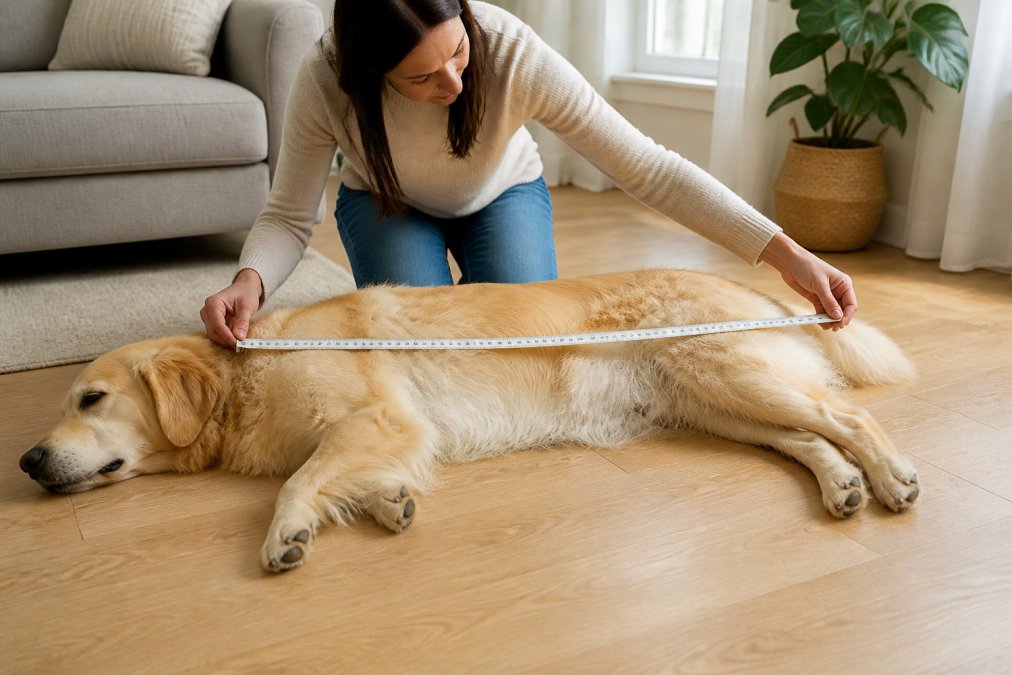
Accurate measurement is the foundation for choosing the right dog bed. Measure your dog from the tip of the nose to the base of the tail while they're lying down in a relaxed, stretched-out position. Next, measure the width across your dog's body at the widest point. Add 6-12 inches to the length measurement and 4-6 inches to the width to ensure comfort and freedom of movement.

Weight capacity matters equally. Choose a bed rated for at least 20-30 pounds above your dog's current weight. A dog weighing 85 pounds should use a bed rated for 110-120 pounds minimum. This keeps the foam from compressing completely, maintaining proper joint support throughout the bed's lifespan.
Measuring length and width
When measuring length, have your dog lie in their natural sleeping position. Measure from the tip of the nose to where the tail begins at the base, then add 6-12 inches for comfort. For width, measure across your dog's body at the widest point while they're lying down, then add 4-6 inches. Bed depth should offer 5-7 inches of cushioning for bolster beds and orthopedic options.
Understanding weight capacity
A bed rated for 50 pounds should not be used for a 50-pound dog, that's the absolute maximum with no safety margin. The bed will compress fully under your dog's weight, eliminating orthopedic benefits and accelerating foam breakdown.
Understanding Your Dog's Sleeping Position and Needs
Dogs have distinct sleeping preferences. Some curl up in tight balls seeking security; others sprawl with limbs extended. A few prefer elevated positions to watch their surroundings. The bed you choose should match how your dog naturally sleeps.
Side sleepers and splayed sleeping
Side sleepers and splayed sleepers need different bed styles. Dogs that sleep on their side with legs extended need rectangular beds with enough length and width to accommodate their sprawled position. Splayed sleeping, where dogs extend their legs outward in multiple directions, requires even more surface area, at least 6-12 inches longer and wider than their base-to-tail measurement. Large breed dogs and senior dogs often adopt splayed positions to distribute weight more evenly, indicating joint stress. An orthopedic foam bed with proper cushioning helps these dogs sleep comfortably and wake with less stiffness.
Nesting behavior and cave-style beds
Dogs with strong nesting behavior curl into tight balls and prefer enclosed spaces. Bolster beds with high walls on multiple sides satisfy this instinct, providing security and helping your dog maintain body heat. Cave-style beds work wonderfully for anxious dogs or those recovering from injury. Ensure the opening is large enough that your dog can enter and exit without struggling, critical for dogs with mobility issues or arthritis.
Types of Dog Beds: Which Style Fits Your Dog
Understanding the differences between bed types helps you match the bed to your dog's requirements.
Orthopedic foam and memory foam beds
Orthopedic beds use specialized foam designed to support joints and reduce pressure points. Memory foam conforms to your dog's body shape, distributing weight evenly across the surface. This even weight distribution is crucial for dogs with arthritis, hip dysplasia, or other joint conditions.
Quality matters tremendously. High-density memory foam (5-6 pounds per cubic foot) lasts significantly longer than low-density alternatives, resisting compression and maintaining supportive properties for 3-5 years. Lower-density foam may feel comfortable initially but compresses within 12-18 months, losing its orthopedic benefits.
NovelPet Store's Barker Beds XL Orthopedic Dog Bed features 7 inches of premium memory foam designed for large dogs weighing 75-120 pounds. The pillow top adds extra cushioning for pressure point relief, and the removable, washable cover simplifies maintenance. Made in USA construction ensures durability and quality control.
Bolster beds for security
Bolster beds feature raised edges or walls on one or more sides, creating a defined perimeter. These walls provide psychological security, support your dog's head and neck while sleeping, and help contain body heat. The walls also prevent your dog from rolling off during sleep, important for senior dogs with reduced coordination.
NovelPet Store's Small Dog Bed features orthopedic memory foam with a wall-rim pillow design that combines bolster support with orthopedic benefits. The water-resistant liner protects against accidents, and the non-slip bottom prevents sliding across floors.
Elevated cots for cooling and airflow
Elevated cots raise your dog completely off the floor using a metal frame and breathable mesh. The airflow beneath the bed keeps your dog cool, making elevated cots ideal for warm climates or dogs prone to overheating. They work well for outdoor use and are collapsible for portability. However, they lack orthopedic support, so they're better suited for healthy adult dogs rather than seniors with joint issues.
NovelPet Store's Outdoor Elevated Dog Cot features breathable mesh that promotes airflow and keeps dogs cool. The raised metal frame lifts your dog completely off the ground, and the collapsible design makes storage convenient.

Best Orthopedic Dog Beds for Arthritis and Joint Support
Dogs with arthritis, hip dysplasia, or degenerative joint disease need specialized orthopedic support. The right bed reduces pain, improves sleep quality, and supports better mobility throughout the day.
Memory foam for pressure point relief
Memory foam technology revolutionized orthopedic support for dogs. The foam responds to body heat, softening where your dog's weight concentrates most heavily. This creates a custom-fitted surface that supports your dog's spine and joints while reducing pressure on sensitive areas.
Concentrated pressure on joints during sleep accelerates joint degradation and increases pain. Memory foam distributes pressure evenly across a larger surface area, reducing the force on any single joint. Dogs with arthritis wake up with noticeably less stiffness and pain after sleeping on quality memory foam beds.
Density matters significantly for longevity. High-density memory foam (5-6 pounds per cubic foot) maintains supportive properties for years. When comparing memory foam beds, always check the density specification, it's the primary indicator of how long the bed will maintain its orthopedic benefits.
Orthopedic options for senior dogs
Senior dogs benefit from beds combining multiple supportive features: orthopedic foam for joint support, bolster walls for security and neck support, and water-resistant liners for accidents common in older dogs.
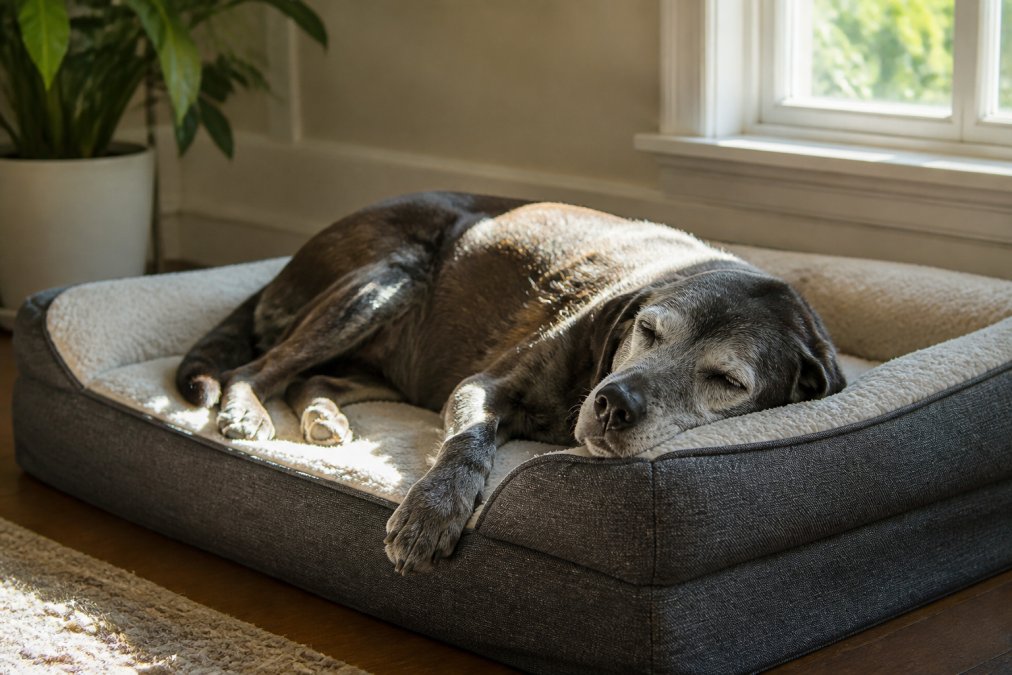
Many senior dogs experience incontinence, making water-resistant liners essential. These liners protect the foam from urine while allowing the top surface to remain comfortable and dry. The liner should be removable and washable so accidents don't permanently damage the bed.
NovelPet Store's Barker Beds XL combines 7 inches of memory foam with a pillow top design providing extra cushioning for pressure point relief. The removable, washable cover makes cleaning simple, and the bed's large size accommodates even the largest senior dogs.
Key Features That Make a Difference
Specific features determine whether a bed will serve your dog well for years or disappoint within months.
Machine washable covers and water-resistant liners
Machine washable covers are non-negotiable for any quality dog bed. Dogs have accidents, shed fur, and track in dirt. A removable, washable cover keeps your bed fresh and extends its lifespan dramatically.
Water-resistant liners protect the foam from accidents and spills. These liners sit between the foam and the washable cover, creating a barrier that prevents liquids from penetrating to the core foam. This feature is especially important for senior dogs prone to incontinence or puppies still learning house training.
Chew-resistant materials and durability
Chew-resistant materials use tightly woven fabrics with high denier ratings (typically 600+) that resist tearing and puncturing from dog teeth. Seams should be reinforced with double or triple stitching, and fabric edges should be finished to prevent unraveling. Look for reinforced corners and stress-point reinforcement to prevent premature failure.
Non-slip base and thermal regulation
A non-slip base keeps the bed from sliding across hardwood or tile floors when your dog moves around. This prevents the bed from shifting under your dog, which can be frustrating and potentially hazardous for dogs with mobility issues.
Thermal regulation features help your dog maintain comfortable body temperature. Some beds include cooling gel layers that absorb and dissipate body heat, ideal for dogs prone to overheating. Others incorporate materials that trap warmth for senior dogs that feel the cold more intensely.
| Feature | Benefit | Best For |
|---|---|---|
| Memory foam | Pressure point relief and joint support | Senior dogs, arthritis sufferers |
| Bolster walls | Security, neck support, heat retention | Anxious dogs, senior dogs |
| Water-resistant liner | Protects foam from accidents | Senior dogs, puppies |
| Machine washable cover | Easy cleaning and maintenance | All dogs, especially those prone to accidents |
| Non-slip base | Prevents bed sliding on hard floors | Senior dogs with balance issues |
| Chew-resistant fabric | Resists tearing and puncturing | Dogs prone to chewing |
| Elevated design | Cooling airflow and ground clearance | Dogs prone to overheating, outdoor use |
How to Clean Memory Foam Dog Beds
Proper maintenance extends your bed's lifespan significantly. Memory foam requires specific care to avoid damaging the material while keeping it clean and hygienic.
Routine maintenance and spot cleaning
Regular vacuuming prevents dirt, hair, and debris from accumulating in the fabric. Use an upholstery attachment and vacuum weekly if your dog sheds heavily.
For spot cleaning, use a mixture of mild detergent and cool water. Apply the solution to the affected area with a soft cloth, working gently to avoid pushing liquid deep into the foam. Blot with a clean, dry cloth to absorb the moisture. Never saturate the foam, as moisture trapped inside can lead to mold growth.
The removable cover should be washed according to manufacturer instructions, typically in cool water on a gentle cycle. Air-dry the cover completely before replacing it on the bed. Never use a dryer, which can damage the fabric and cause shrinking.
Dealing with accidents and stains
For fresh accidents, first remove any solid material. Blot up as much liquid as possible with paper towels or cloth. Apply a solution of equal parts white vinegar and water to neutralize odors and disinfect the area.
For stubborn stains, a mixture of baking soda and water creates a paste that can be applied to the stain. Let it sit for 15-20 minutes, then gently scrub with a soft brush. Blot thoroughly with clean cloth and allow to air dry completely.
Never use harsh chemicals or bleach on memory foam. Stick with mild detergents, vinegar solutions, and baking soda. Check the water-resistant liner regularly for damage. A punctured or torn liner loses its protective function and should be replaced promptly.
Premium Materials and Sustainability
Increasingly, dog owners prioritize eco-friendly and sustainable materials. Premium dog beds now incorporate environmentally responsible options that don't sacrifice quality or performance.
Sustainable materials include organic cotton covers, recycled polyester fabrics, and plant-based foam alternatives. These materials reduce environmental impact while maintaining durability and comfort. Hypoallergenic materials benefit dogs with allergies or sensitive skin, resisting dust mites and mold spores that trigger reactions.
Investing in quality upfront saves money long-term. A premium orthopedic bed costing more initially lasts 3-5 years, while cheaper alternatives require replacement every 12-18 months. The premium bed actually costs less per year of use.
Choosing the right dog bed directly impacts your dog's comfort, health, and quality of life. Start with accurate measurements, consider your dog's sleeping position and health needs, and invest in quality construction that will last. NovelPet Store's premium orthopedic options combine high-density memory foam, durable construction, and practical features like washable covers and water-resistant liners. Whether you have a senior dog struggling with arthritis or a large breed that sprawls across their sleeping surface, matching the bed type and features to your dog's specific needs ensures years of comfortable, supportive sleep. Your dog's long-term joint health and daily comfort depend on this decision.
Frequently Asked Questions
How do I choose the right dog bed size for my dog?
Measure your dog from nose to tail while lying down, then add 15-20 centimetres for comfortable stretching. Measure width across the chest at the widest point. Check the weight capacity, your dog should weigh within the manufacturer's range for proper support. A bed that's too small limits stretching; one too large won't provide the security dogs prefer. Most dogs benefit from beds that let them fully extend while still offering some cushioning around the edges.
What type of dog bed do dogs prefer?
Dogs show different preferences based on personality and age. Dogs with nesting behavior prefer bolster or cave-style beds that provide wall contact and security. Senior dogs and those with arthritis need orthopedic memory foam for joint support and pressure point relief. Younger, active dogs often prefer elevated cots for cooling airflow. Observe your dog's natural sleeping position, side sleepers need flat, spacious beds; dogs that curl up prefer nest-style designs. The best bed matches both your dog's physical needs and natural sleep behaviour.
How often should you replace a dog bed?
Replace a dog bed when the cushioning becomes compressed and no longer provides support, typically every 2-3 years for quality orthopedic beds. Older, heavier dogs may need replacement sooner due to increased wear. Check regularly for flattening memory foam, tears in the cover, or signs of mould or odour despite cleaning. Premium beds with durable denier fabric and removable, washable covers last longer. Investing in high-quality, Made in USA beds reduces replacement frequency and provides better long-term value than cheaper alternatives that deteriorate quickly.
Are orthopedic beds better for all dogs?
Orthopedic beds are essential for senior dogs, large breeds, and dogs with arthritis or joint pain, as memory foam reduces pressure on sensitive areas and improves circulation. Young, healthy dogs may do fine with standard beds, though orthopedic options support long-term joint health. Dogs with incontinence issues benefit from orthopedic beds with water-resistant liners that protect the foam while remaining washable. If your dog has any signs of stiffness, limping, or difficulty rising, an orthopedic bed provides measurable comfort improvement. Consider your dog's age, weight, and health status, orthopedic support is an investment in quality of life.
What dog beds do vets recommend?
Vets recommend orthopedic memory foam beds for dogs with arthritis, hip dysplasia, or joint issues. Look for beds with high-density foam that maintains structure and supports pressure points. Vet-recommended beds feature machine washable, removable covers for hygiene, especially important for senior dogs prone to accidents. Water-resistant liners protect the foam from moisture while allowing easy cleaning. Beds with non-slip bases prevent sliding, reducing strain on joints. NovelPet Store offers vet-recommended orthopedic options like the Barker Beds XL with 7-inch memory foam and washable cover, specifically designed for large dogs 75-120 pounds needing joint support.
How do I know if a dog bed is truly orthopedic?
Genuine orthopedic beds contain high-density memory foam, not cheap poly-fill or thin padding. Check the foam thickness, quality orthopedic beds have at least 5-7 centimetres of foam. Look for beds with removable, washable covers and water-resistant liners. The bed should have a non-slip base to prevent sliding. Vet-recommended beds come from established manufacturers focused on joint support and durability. Avoid marketing hype, real orthopedic beds cost more because quality materials and construction genuinely support joint health. Compare denier ratings on covers; higher denier means more durable fabric that resists chewing and wear.
Can memory foam dog beds handle accidents and moisture?
Quality memory foam beds include water-resistant liners that protect the foam from urine and moisture while keeping the bed washable. The removable cover can go in the washing machine for thorough cleaning. For accidents, spot-clean the cover immediately, then machine wash. The water-resistant liner prevents moisture from reaching the core foam, which would cause mould and deterioration. Beds without liners will absorb moisture and become damaged. Senior dogs prone to incontinence need beds with this protection. Premium beds like the Barker Beds XL specifically include water-resistant liners, making them practical for dogs with accidents while maintaining comfort and longevity.
This article was written using GrandRanker