

Senior Dog Comfort Essentials: A 2026 Guide
Table of Contents
- Why Senior Dog Comfort Essentials Matter
- Orthopedic Dog Beds for Arthritis and Joint Support
- Signs of Pain in Senior Dogs You Shouldn't Ignore
- Home Modifications for Senior Dogs: Practical Changes That Work
- Nutrition, Supplements, and Veterinary Care for Senior Dogs
- Mental Stimulation and Cognitive Health in Your Senior Dog's Golden Years
- Managing Nighttime Anxiety and Incontinence
- Grooming and Hygiene Needs for Aging Dogs
Last Updated: August 25, 2026
Why Senior Dog Comfort Essentials Matter
Your senior dog's comfort is the difference between a painful decline and a dignified, joyful final chapter. As dogs age, joints stiffen, muscles weaken, and pain becomes constant for many. The quality of life your senior dog experiences depends largely on the choices you make today.
At NovelPet Store, we are dedicated to promoting healthy and happy pets. Small environmental tweaks, the right orthopedic support, and targeted nutrition can transform a senior dog's daily experience.
This guide covers the essential elements that matter most: the bedding that truly supports arthritic joints, the home modifications that prevent falls and anxiety, the dietary adjustments that reduce inflammation, and the mental stimulation that keeps aging brains sharp.
Orthopedic Dog Beds for Arthritis and Joint Support
An orthopedic dog bed is foundational for senior dogs with joint pain. Quality orthopedic memory foam molds to your dog's body, distributing weight evenly and reducing pressure on joints, particularly at hips, shoulders, elbows, and the spine.
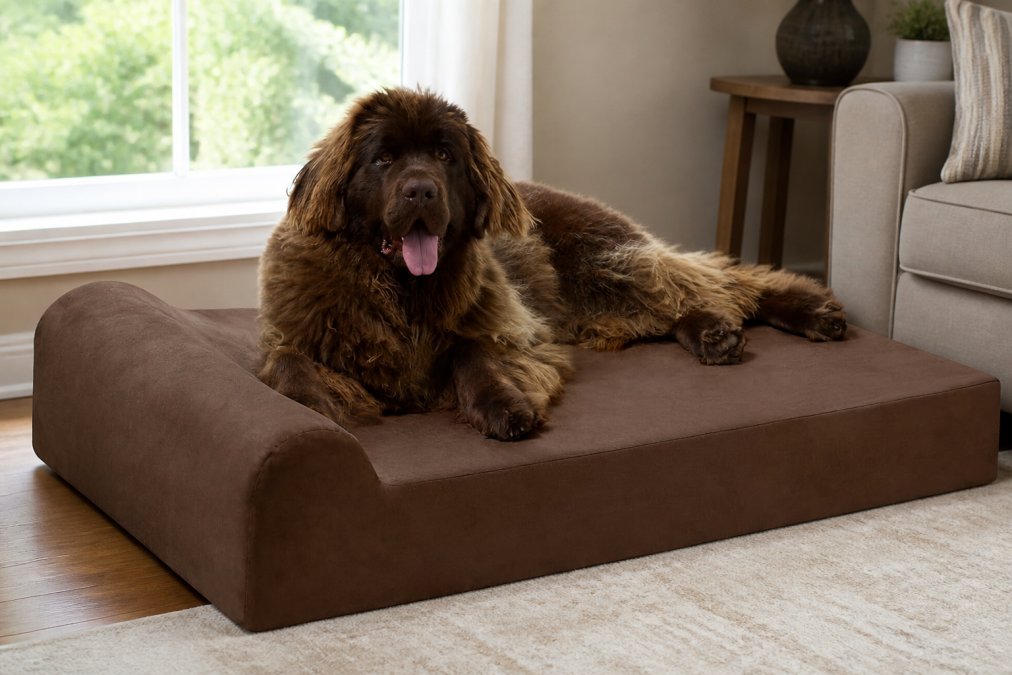
The Barker Beds XL Orthopedic Dog Bed represents the standard for large dogs. Its 7-inch memory foam mattress resists flattening, a critical failure point in cheaper beds. The headrest provides cervical support, reducing neck strain during sleep. The washable cover handles accidents without ruining the foam, crucial for senior dogs experiencing incontinence. At €353.66, this bed is designed to provide exceptional joint pain and arthritis relief.

For extra-large dogs over 100 pounds, the Barker Beds Giant (€386.21) offers the same therapeutic support at a larger scale. Smaller senior dogs benefit from the Chester Small Dog Bed (€63.68), which combines orthopedic memory foam with a bolster wall design that provides security and neck support. The non-slip bottom prevents the bed from sliding on hardwood floors, preventing falls and anxiety.
The key metric is foam thickness and density. Anything under 5 inches will compress within months (peer-reviewed research). Anything under 4 pounds per cubic foot density won't provide adequate support (peer-reviewed research).
:::pro-tip Don't place the orthopedic bed on slippery floors. Put it on a non-slip mat or rug. Senior dogs often struggle to stand from beds on hardwood or tile, the bed slides under them as they push off, creating frustration and falls. :::
Signs of Pain in Senior Dogs You Shouldn't Ignore
Most dog owners miss early signals of joint pain because they're subtle. Watch for reluctance to jump on furniture or into vehicles (often the first sign), stiffness after rest that improves with movement, difficulty climbing stairs, limping that worsens in cold or after exercise, and excessive licking or chewing at joints. Some dogs become withdrawn or anxious because movement hurts.
The critical mistake is waiting for obvious lameness. By then, months of pain can cause muscle atrophy and behavioral changes. Early intervention with better bedding, joint supplements, and controlled exercise can prevent progression.
Pain also manifests behaviorally. Senior dogs in pain often become irritable, sleep more, or show anxiety about jumping or moving. They might pace at night or have difficulty settling.
Bring video of your dog moving, climbing stairs, or getting up from rest to your vet. Vets can see patterns in video that they miss during a single clinic visit.
Home Modifications for Senior Dogs: Practical Changes That Work
Your home's layout directly impacts your senior dog's pain level and anxiety. Small modifications prevent falls, reduce joint strain, and keep your dog mentally engaged with their environment.
Floor Traction and Non-Slip Surfaces
Slippery floors are a silent epidemic in senior dog care. Hardwood, tile, and laminate are comfortable for humans but terrifying for dogs with weak hind legs. A senior dog on a slippery floor experiences each step as unstable and will avoid moving, leading to muscle loss and increased fall risk.
Non-slip solutions range from simple to comprehensive. Adhesive non-slip tape on high-traffic paths costs under €15 and works immediately. Yoga mats or non-slip rugs placed strategically in hallways and near stairs provide traction zones. For comprehensive coverage, non-slip flooring adhesive or rubber stair treads transform high-risk areas.
Ramps, Steps, and Raised Feeders
Jumping onto furniture or into vehicles becomes impossible or painful for many senior dogs. Add a ramp or pet steps (€30-80) to dramatically improve quality of life.
Raised feeders reduce strain on the neck and spine during eating (aaha.org). Many senior dogs show immediate improvement in appetite and comfort when switched to raised bowls. The height should allow your dog to eat without bending their front legs excessively, typically 6-8 inches for large dogs, 4-6 inches for smaller dogs.
Raised water stations encourage drinking, which supports kidney function and joint lubrication.
Creating a Draught-Free, Temperature-Controlled Space
Senior dogs lose the ability to regulate body temperature effectively. A dog shivering from cold will tense muscles, increasing joint pain. A dog overheating will stress their cardiovascular system.
Identify drafty areas, windows, doors, vents, and seal them during winter. Provide blankets or heated beds in your dog's resting area. In summer, ensure access to cool spaces and never leave your dog in direct sunlight for extended periods.
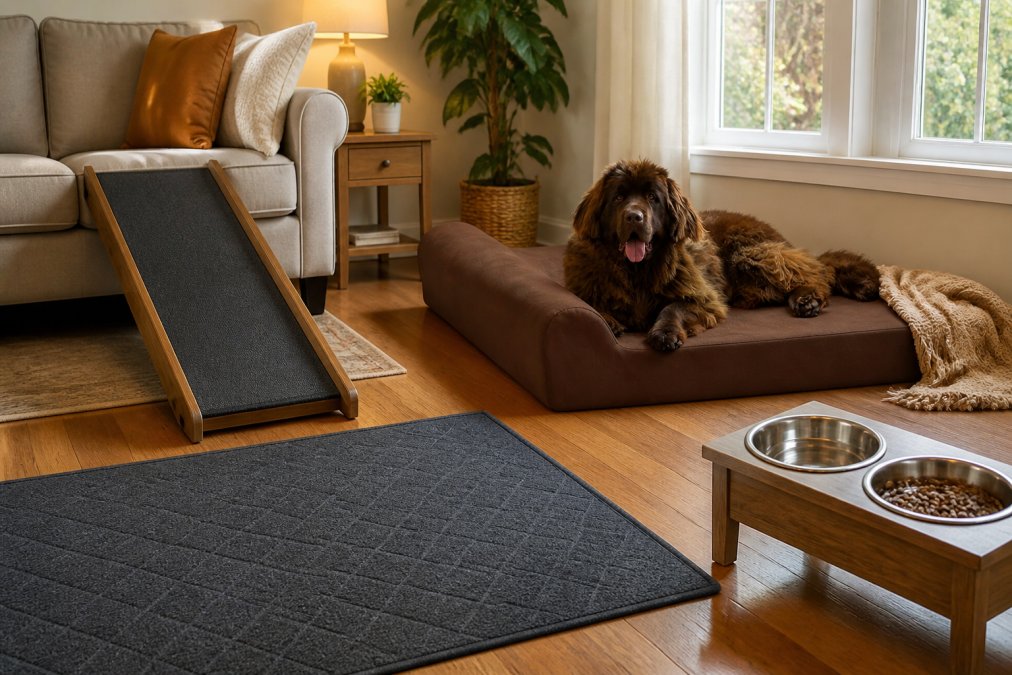
Temperature consistency matters more than you realize. Fluctuating temperatures increase inflammation and pain.
Nutrition, Supplements, and Veterinary Care for Senior Dogs
What your senior dog eats directly affects their joint health, energy level, and pain management. Senior-formulated dog foods typically contain joint-supporting ingredients like glucosamine. Look for foods listing real meat as the first ingredient and including omega-3 fatty acids, which reduce inflammation.
Supplements like glucosamine, chondroitin, turmeric, and fish oil support joint health. Consistency is key; sporadic supplementation won't show results.
Regular veterinary checkups allow your vet to catch pain early, monitor kidney and liver function, and adjust pain management as needed. Many vets now offer physical therapy or acupuncture for senior dogs, both of which can reduce pain and improve mobility.
Treat supplements as complementary to veterinary care, not a replacement.
Mental Stimulation and Cognitive Health in Your Senior Dog's Golden Years
Aging dogs lose cognitive sharpness just like aging humans. Mental decline accelerates if the brain isn't exercised. Puzzle toys designed for senior dogs provide mental stimulation without physical strain. Hide treats inside, and your dog works to extract them, engaging the brain while they rest.
Rotation is key. Using the same toy every day becomes boring. Rotate between 3-4 different puzzle toys to maintain novelty and engagement. Scent work games (hiding treats around the house) tap into your dog's natural instincts and provide enrichment.
Environmental changes provide free cognitive stimulation. Changing your walking route, visiting different parks, or rearranging furniture creates novelty that keeps aging brains engaged. The relationship between cognitive engagement and pain management is underestimated. Dogs focused on mental tasks experience less pain perception.
Managing Nighttime Anxiety and Incontinence
Senior dogs frequently experience nighttime anxiety and incontinence, two issues that compound each other. A dog that wakes up wet becomes anxious, which increases nighttime waking, which increases accidents.
Incontinence in senior dogs usually stems from weakened bladder sphincters, not behavioral issues. Washable orthopedic beds become essential. The Barker Beds line and the FlexiRest Orthopedic Waterproof Dog Cushion (€46.57) both feature waterproof liners that protect the foam while allowing easy cleaning.

Nighttime anxiety often involves restlessness, pacing, or vocalization. Many senior dogs experience disorientation during night hours, similar to sundowning in humans. Creating a consistent nighttime routine, using calming supplements (like those containing L-theanine), and maintaining a cool, quiet sleeping environment all help.
Limiting water intake 2-3 hours before bedtime reduces nighttime accidents without causing dehydration during the day. Ensure your dog has full access to water during daylight hours.
:::pro-tip Enzymatic cleaners specifically designed for pet urine are non-negotiable. Regular cleaners don't fully remove the urine scent, which encourages your dog to use the same spot again. Invest in a quality enzymatic cleaner and use it immediately after accidents. :::
Grooming and Hygiene Needs for Aging Dogs
Grooming becomes more challenging and more important as dogs age. Senior dogs often can't reach certain areas to clean themselves, and their skin becomes more sensitive and prone to issues.
Many senior dogs struggle with standing for extended grooming sessions. Professional groomers experienced with senior dogs can adjust their approach with shorter sessions, breaks for rest, and gentler handling. If professional grooming is stressful, home grooming with frequent breaks is a valid alternative.
Nail care matters more in senior dogs. Long nails change gait and increase joint strain. Regular trimming every 3-4 weeks prevents this compounding effect. Many senior dogs experience visible improvement in mobility after nail trimming because their gait normalizes.
Ear and dental hygiene require attention. Senior dogs are prone to ear infections, and dental disease accelerates systemic health decline. Regular ear checks and dental cleanings prevent infections that cause pain and systemic complications.
Bathing should be infrequent and gentle. Monthly baths with warm water and gentle, moisturizing shampoo are usually sufficient. Always support your senior dog during bathing, as slipping in the tub is a real fall risk.
Senior dog comfort isn't about expensive treatments or complicated protocols. It's about consistent attention to the fundamentals: proper support during rest, safe movement through your home, appropriate nutrition, mental engagement, and compassionate veterinary care. NovelPet Store's orthopedic dog beds with memory foam, specifically the Barker Beds line, provide the foundational support that makes everything else more effective. Start with a quality bed, modify your home for safety, and work with your veterinarian on pain management. Your senior dog's golden years can be comfortable, engaged, and dignified.
Frequently Asked Questions
Q: What are the signs of pain in senior dogs I should watch for?
A: Common signs include limping or stiffness (especially after rest), reluctance to climb stairs or jump, slower gait, whimpering when moving, decreased activity, or changes in posture. Behavioral shifts like increased panting, restlessness at night, or avoiding certain areas of the home can also signal discomfort. If you notice these symptoms, consult your vet for a proper assessment and discuss pain management options tailored to your dog's needs.
Q: How do orthopedic dog beds for arthritis actually help senior dogs?
A: Orthopedic beds with memory foam distribute your dog's weight evenly, reducing pressure on joints and alleviating pain from arthritis. The foam conforms to your dog's body shape, providing targeted support where it matters most. A quality orthopedic bed also helps maintain proper spinal alignment during sleep, which is crucial for senior dogs. The Barker Beds XL Orthopedic Dog Bed uses 7-inch therapeutic memory foam specifically designed to reduce joint pain and improve mobility in large dogs over 50 pounds.
Q: What home modifications for senior dogs are budget-friendly?
A: Start with non-slip solutions: yoga mats or adhesive grip tape on slippery floors cost under €15 but dramatically improve traction. Rearrange furniture to create clear pathways so your dog doesn't struggle navigating tight spaces. Use rolled towels or inexpensive cushions to create a cozy, draught-free sleeping area. Raised food and water bowls (even DIY versions using stacked books) reduce strain on the neck and joints. These simple changes significantly improve quality of life without major expense.
Q: Can orthopedic dog beds handle accidents from incontinent senior dogs?
A: Yes, many orthopedic beds feature waterproof liners and washable covers specifically designed for this. The Orthopedic Waterproof Dog Cushion includes a scratch-resistant, waterproof cover that protects both the foam and your floors. The Barker Beds line offers microsuede covers that are completely removable and machine-washable. Always check product specifications for water-resistant construction, and consider beds with zippered covers for easy cleaning. This durability ensures your investment lasts through your senior dog's changing needs.
Q: How often should I take my senior dog to the vet for checkups?
A: Senior dogs (typically 7+ years) should have veterinary checkups at least twice per year, compared to once annually for younger dogs. These regular assessments catch early signs of arthritis, cognitive dysfunction, or other age-related conditions. Your vet can recommend supplements like glucosamine for joint support, assess pain levels, and adjust care strategies as your dog's needs evolve. Regular veterinary guidance ensures your home modifications and comfort essentials align with your dog's specific health requirements.
Q: What's the best way to manage my senior dog's nighttime anxiety?
A: Create a calm, secure sleeping space using an orthopedic bed with bolster walls that provide a sense of containment. Keep the area draught-free and at a comfortable temperature. Some dogs benefit from calming puzzle toys or long-lasting chews before bed. Maintain a consistent bedtime routine to signal relaxation. If anxiety persists, consult your vet about behavioral strategies or supplements. A cozy, familiar sleeping environment combined with predictable routines significantly reduces nighttime restlessness in aging dogs.
Q: How does mental stimulation help senior dogs in their golden years?
A: Mental stimulation combats cognitive dysfunction and keeps your senior dog engaged, which improves overall quality of life. Puzzle toys, scent games, and low-impact activities strengthen neural pathways and maintain alertness. Even simple activities like exploring new (safe) areas of your home or gentle training sessions provide cognitive exercise. Regular mental engagement also reduces anxiety and promotes better sleep. For senior dogs showing signs of dementia, consistent cognitive enrichment can slow decline and maintain their connection to you.
This article was written using GrandRanker