

Safe Materials for Dog Beds: A 2026 Guide
Table of Contents
- Why Safe Materials Matter for Your Dog's Health
- Non-Toxic Dog Beds Certified by GOTS and Other Standards
- Orthopedic Memory Foam Dog Bed Benefits for Aging Pets
- Chew-Proof Dog Bed Materials That Actually Last
- Natural vs. Synthetic Fibers: What's Best for Safe Dog Beds
- How to Choose Safe Materials for Your Dog's Specific Needs
- Maintenance and Longevity of Safe Dog Bed Materials
Your dog spends roughly 12-14 hours a day on their bed (peer-reviewed research). That's nearly half their life resting on materials that either support their health or compromise it. Safe materials for dog beds aren't just a luxury, they're foundational to your dog's wellbeing. A bed made from non-toxic, breathable fabrics with proper orthopedic support can measurably improve sleep quality, reduce inflammation in aging joints, and eliminate the risk of chemical off-gassing that some synthetic materials release into your home.
The challenge is that "safe" means different things depending on your dog's age, size, health conditions, and chewing habits. A senior dog with arthritis needs different material properties than a young, energetic chewer. This guide breaks down exactly what to look for so you can choose safe materials for dog beds with confidence.
Non-Toxic Dog Beds Certified by GOTS and Other Standards
Certification matters because it's third-party verification that a product actually meets safety standards, not just marketing claims. The most rigorous certifications for safe materials for dog beds come from organizations that test for harmful chemicals, heavy metals, and synthetic dyes.
GOTS (Global Organic Textile Standard) is the gold standard for organic cotton beds. GOTS-certified products are grown without synthetic pesticides, processed without harsh chemicals, and verified by independent auditors. When you see GOTS certification on a dog bed label, you know the cotton itself is organic and the dyes used are non-toxic. This matters because conventional cotton farming uses significant pesticide loads that can linger in the fabric.
OEKO-TEX Standard 100 certification tests for over 300 harmful substances including heavy metals, formaldehyde, and restricted dyes. A bed with this certification has been tested for chemical safety across every component, the fabric, filling, and thread. Many premium orthopedic beds carry this certification because it applies to synthetic materials as well as natural ones.
CertiPUR-US certification is specific to polyurethane foam. It verifies that memory foam contains no harmful phthalates, heavy metals, or ozone-depleting chemicals. If you're choosing a memory foam orthopedic bed, this certification ensures the foam won't off-gas harmful VOCs (volatile organic compounds) into your home.
Look for beds that carry at least one of these certifications. Certified products cost more upfront, but they eliminate the guesswork about what your dog is actually sleeping on. The peace of mind alone justifies the investment, especially for senior dogs or puppies with developing immune systems.
Orthopedic Memory Foam Dog Bed Benefits for Aging Pets
Memory foam distributes your dog's weight evenly across the surface, which reduces pressure on joints and promotes better spinal alignment. For aging dogs with arthritis or hip dysplasia, this difference is measurable, many owners report their dogs move more freely and sleep longer after switching to a quality orthopedic bed.
The science is straightforward: when a dog lies on a firm, unpadded surface, their joints bear concentrated pressure at contact points (hips, shoulders, elbows). Memory foam compresses under that pressure and slowly returns to shape, cradling the body instead of forcing it into an unnatural position. This reduces inflammation and allows muscles to relax more completely during sleep.
Not all memory foam is equal. High-density foam (typically 5+ pounds per cubic foot) provides better support and lasts longer than low-density alternatives (peer-reviewed research). It also resists sagging, a common problem with cheaper foam that flattens after a few months. The best orthopedic beds use layered construction: a firm support base topped with softer, more responsive memory foam.
Temperature regulation matters too. Some memory foam retains heat, which can be uncomfortable for dogs that overheat easily. Look for beds with gel-infused foam or breathable covers that allow heat to dissipate. This is especially important for larger dogs or breeds prone to overheating.
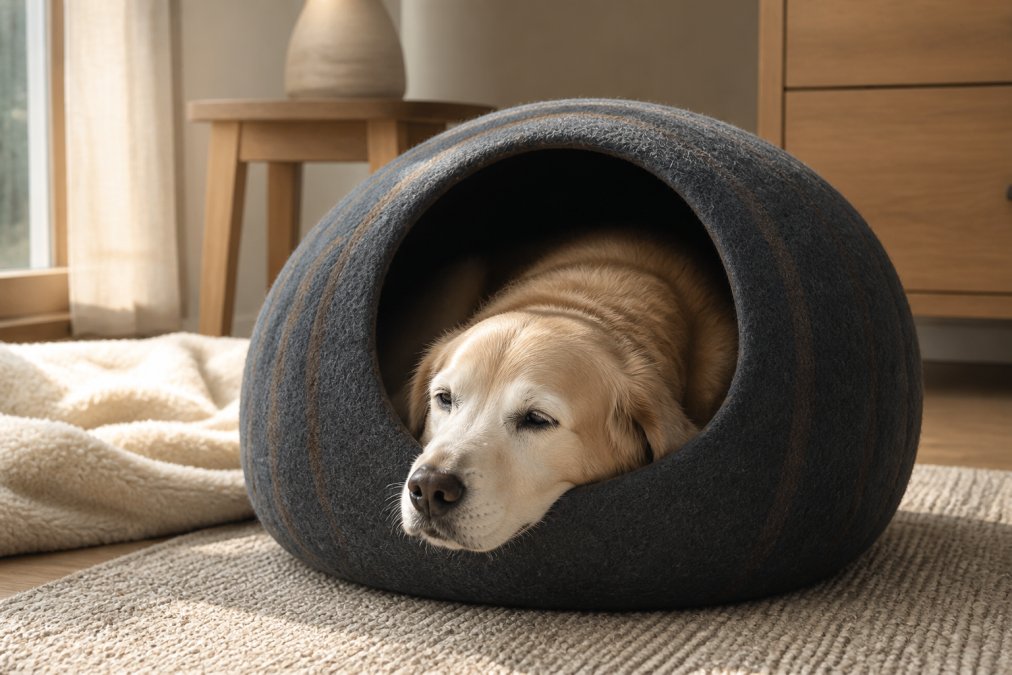
NovelPet Store's orthopedic dog beds with memory foam are designed specifically for aging pets and those with joint pain. The memory foam provides the pressure relief that reduces arthritis discomfort, while the Made in USA construction ensures quality control and durability that holds up over years of daily use.
Chew-Proof Dog Bed Materials That Actually Last
Chewing is a natural behavior, especially for young dogs and certain breeds. A bed designed for chewers uses materials that resist puncture and shredding while staying safe if ingested. The key is density and weave structure, loose fabrics tear easily, while tightly woven materials withstand repeated stress.
Ballistic nylon is the industry standard for chew-proof beds. It's a heavyweight fabric originally developed for military gear. The tight weave resists puncture from teeth and claws, and it doesn't unravel when torn. Ballistic nylon is also water-resistant, making it easier to clean. The downside is that it's less breathable than natural fabrics, so it's better suited for dogs that don't overheat.
Ripstop fabric offers similar durability with slightly better breathability. It has a reinforced grid pattern woven throughout, which prevents tears from spreading. If a dog punctures one section, the tear stops at the grid lines instead of running across the entire panel. Ripstop is lighter than ballistic nylon and more comfortable for dogs that sleep hot.
Heavy-duty canvas provides a middle ground. It's durable enough for moderate chewers, breathable, and often made from organic cotton if you prioritize non-toxic materials. Canvas won't hold up to aggressive chewers, but for dogs that mouth their beds without serious destructive behavior, it's a solid choice.
The filling matters equally. Shredded latex or high-density foam resists being torn into pieces. Cheap polyester fiberfill, by contrast, can be pulled apart and ingested, creating a choking or blockage risk. If you have an aggressive chewer, prioritize beds with non-shredable foam or latex filling.
Natural vs. Synthetic Fibers: What's Best for Safe Materials for Dog Beds
This choice comes down to your priorities: natural fibers excel at breathability and non-toxicity, while synthetics offer durability and water resistance. The best beds often blend both.
Organic cotton is breathable, soft, and naturally hypoallergenic. Cotton doesn't off-gas and has minimal processing when certified organic. It's ideal for dogs with sensitive skin or allergies. The weakness is durability, cotton softens with washing and can pill or fade. For a dog that's gentle on bedding, organic cotton is worth the trade-off.
Merino wool is naturally temperature-regulating, moisture-wicking, and antimicrobial. It keeps dogs warm in winter and cool in summer by managing moisture rather than trapping heat. Wool is also naturally resistant to dust mites and mold. The downside is cost and the need for careful washing to prevent shrinkage.
Polyester is durable, water-resistant, and affordable. It doesn't breathe as well as natural fibers, but it withstands repeated washing and resists mildew. Most polyester used in pet beds is now made from recycled plastic bottles, which is a sustainability plus. For dogs that spend time outdoors or have incontinence issues, polyester liners are practical.
Nylon and synthetic blends provide maximum durability and water resistance. They're ideal for chew-proof beds and outdoor use. The trade-off is reduced breathability and potential off-gassing if not properly processed. Always look for OEKO-TEX certification on synthetic beds to verify they've been tested for harmful chemicals.
The hybrid approach works best for most dogs: an organic cotton or merino wool top layer for comfort and breathability, combined with a polyester or nylon liner for water resistance and durability. This combination gives you the health benefits of natural fibers without sacrificing practicality.
How to Choose Safe Materials for Your Dog's Specific Needs
Start by assessing your dog's actual requirements, not what marketing suggests. A 15-pound dog with calm behavior has completely different material needs than an 85-pound dog with arthritis and a chewing habit.
Age and health condition: Puppies and senior dogs benefit most from orthopedic support. Puppies are still developing bones and joints, so proper support prevents long-term damage. Senior dogs with arthritis or joint pain need memory foam that reduces pressure. Middle-aged, healthy dogs can get by with simpler, more affordable options.
Size and weight: Large dogs (over 60 pounds) compress standard foam too quickly, which reduces support and accelerates sagging. They need high-density foam or multiple layers. Small dogs can use thinner, less expensive beds without losing support. Weight capacity matters, a bed rated for 50 pounds won't provide adequate support for a 75-pound dog.
Chewing behavior: Aggressive chewers need ballistic nylon or ripstop with dense, non-shredable filling. Gentle dogs can use softer, more breathable materials. If you're unsure, observe your dog's behavior for a week, does your dog mouth the bed, or actively tear it apart?
Skin sensitivity or allergies: Dogs with allergies or skin conditions need certified non-toxic materials. Organic cotton with GOTS certification or merino wool are the safest choices. Avoid synthetic dyes and chemical finishes, which can trigger reactions.
Climate and environment: Dogs in hot climates need breathable materials like cotton or wool. Dogs in damp environments need water-resistant liners to prevent mold. Dogs that spend time outdoors need durable, washable materials.
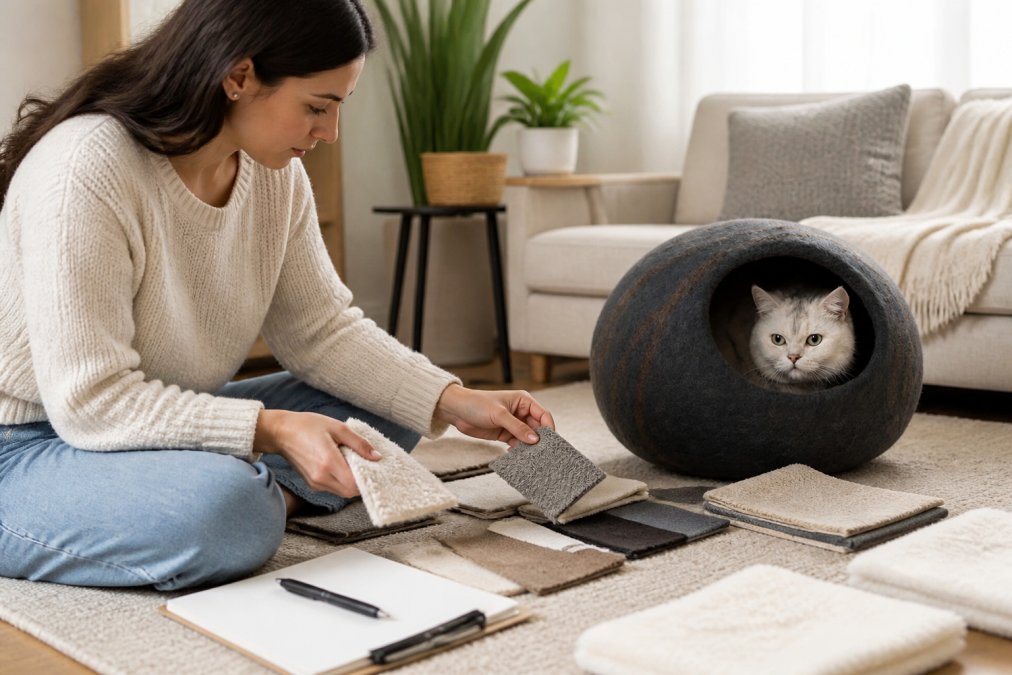
Once you've identified your dog's needs, match them to material properties. A senior, large-breed dog with arthritis in a warm climate needs high-density memory foam with a breathable cotton cover. A young, small dog with a chewing habit needs lightweight ripstop with dense filling. There's no one-size-fits-all answer, the right choice depends on your specific dog.
Maintenance and Longevity of Safe Dog Bed Materials
How you care for a bed directly affects how long it lasts and whether it remains safe. Proper maintenance protects your investment and prevents mold, mildew, and bacterial growth that can compromise your dog's health.
Washing frequency depends on material and use. Beds used by dogs with incontinence or outdoor access need washing every 1-2 weeks. Beds for healthy indoor dogs can go 2-4 weeks between washes. Check the manufacturer's care label, some beds have specific requirements that affect longevity.
Temperature matters for washing. Hot water can damage memory foam and shrink natural fibers. Cold or warm water is safer for most materials. Use mild detergent without dyes or perfumes, which can irritate sensitive skin or trigger allergies.
Drying is critical. Machine drying on high heat degrades foam and weakens fabric. Air drying is slower but extends bed life significantly. If you must use a dryer, use the lowest heat setting. For memory foam beds, air drying is non-negotiable, heat permanently damages the foam structure.
Spot-cleaning between full washes extends the time between washes and reduces wear. Blot spills immediately with a clean cloth, then treat with a pet-safe enzymatic cleaner to prevent odor and staining.
Inspection for damage should be routine. Check seams, zippers, and filling regularly. Catch small tears before they become large rips. Replace the bed if the filling is compressed beyond recovery or if the cover has large holes that expose the interior.
Most quality orthopedic beds last 3-5 years with proper care (peer-reviewed research). Budget for replacement rather than expecting permanent use. A bed that costs more upfront but lasts twice as long is more economical than buying cheaper beds every year.
Choosing safe materials for dog beds protects your dog's health, prevents long-term joint and skin issues, and ensures your investment lasts. The certifications and material standards covered here give you concrete criteria to evaluate any bed before buying. At NovelPet Store, we specialize in orthopedic dog beds with memory foam designed for aging pets and those with joint pain, every product is Made in USA, vet-recommended, and built to last. Start with your dog's specific needs, verify the certifications, and invest in quality that supports their comfort for years to come.
Frequently Asked Questions
What is the best material to use for a safe dog bed?
The best safe materials for dog beds combine durability with non-toxic certifications. Organic cotton, shredded latex, and ballistic nylon offer strength, while memory foam provides orthopedic support for aging dogs. Look for GOTS certification (organic cotton) or OEKO-TEX standard (hypoallergenic, chemical-free) to ensure your dog isn't exposed to harmful substances. For senior dogs with arthritis, orthopedic memory foam combined with water-resistant liners creates an ideal balance of comfort, safety, and longevity.
Are there non-toxic dog beds certified by GOTS that work for large dogs?
Yes. GOTS (Global Organic Textile Standard) certification guarantees organic cotton is free from pesticides, heavy metals, and synthetic dyes. These beds work well for large dogs when paired with robust support layers like high-density memory foam or shredded latex. The key is choosing a bed with adequate thickness and weight capacity. Large dogs benefit from reinforced stitching, ballistic nylon covers, and moisture-wicking liners to prevent mold and mildew in the core materials, ensuring the bed maintains its structure and safety over years of use.
How do I know if a dog bed is truly chew-proof and won't fall apart?
Chew-proof dog bed materials include ballistic nylon, ripstop fabric, and heavy-duty canvas, all designed to resist puncture and tearing. Check for reinforced stitching at seams, which is where beds typically fail. Look for warranty information and customer reviews mentioning durability over time. Materials like ballistic nylon are puncture-resistant and used in military applications, making them far more durable than standard polyester. Beds with removable, washable covers also extend lifespan by protecting the core foam or fill from wear and damage.
What should I look for to ensure a dog bed is chemical-free and safe?
Look for certifications like OEKO-TEX Standard 100, GOTS, or VOC-free labels, which indicate the bed has been tested for harmful chemicals like formaldehyde, heavy metals, and pesticides. Ask manufacturers about off-gassing testing, quality beds should have minimal or no chemical odor when new. Natural materials like organic cotton, merino wool, and natural latex are inherently safer than synthetic alternatives. Avoid beds that don't disclose their materials or certifications, and prioritize Made in USA products when possible, as they often meet stricter safety standards.
This article was written using GrandRanker