

How to Help Your Senior Dog With Mobility: 7 Steps
Table of Contents
- Recognizing Mobility Decline and Signs of Arthritis in Dogs
- Step 1: Book a Veterinary Consultation to Rule Out Underlying Issues
- Step 2: Home Modifications for Senior Dogs to Prevent Falls
- Step 3: Start a Low-Impact Exercise and Physical Rehabilitation Routine
- Step 4: Choose the Best Orthopedic Dog Beds for Joint Pain
- Step 5: Use Traction Aids and Supportive Gear Like Slings
- Step 6: Manage Weight and Nutrition to Ease Joint Strain
- Step 7: Address Pain Management and Caregiver Burnout
- Building a Supportive Care Plan for the Golden Years
- Frequently Asked Questions
Watching your best friend slow down is one of the hardest parts of pet parenthood. When your dog hesitates at the stairs, struggles to rise after a nap, or no longer greets you at the door, it’s natural to ask, “How can I help my senior dog with mobility?” The answer involves more than just accepting the slowdown. Senior dog mobility requires a proactive, multi-layered approach that combines veterinary care, home adjustments, and the right supportive products to preserve their quality of life. At NovelPet Store, we’ve helped countless pet parents create comfortable environments for aging companions, and this guide walks you through seven actionable steps to keep your dog moving comfortably.
The goal is to address both the physical symptoms and the emotional toll that mobility decline takes on your pet. Most mobility issues in older dogs stem from joint degeneration, muscle loss, and conditions like osteoarthritis, which affects a significant portion of the canine population. By tackling these issues from several angles, you can slow the progression, reduce pain, and help your dog enjoy their golden years with dignity. Below, we’ll show you exactly how to build a supportive care plan, starting with recognizing the problem and ending with strategies that protect both your dog and your own well-being as a caregiver.
Recognizing Mobility Decline and Signs of Arthritis in Dogs
The first step in helping your senior dog is identifying the early indicators of joint discomfort and reduced movement. Signs of arthritis in dogs often appear gradually, so subtle changes in behavior are your most reliable clues. Watch for stiffness after rest, a visible change in gait, reluctance to jump onto furniture or climb stairs, and a decreased interest in walks or play.
Beyond these obvious signs, pay attention to more subtle shifts. A dog in pain may become irritable, withdraw from family interaction, or show changes in sleeping patterns. You might notice them licking or chewing at specific joints, or hear audible grinding sounds during movement. Muscle mass in the hind legs often decreases as the dog carries weight differently to compensate for pain. Recognizing these signs of arthritis in dogs early allows you to intervene before the condition severely limits their daily activities. This proactive observation is the foundation of effective senior dog mobility care, as early intervention can significantly slow the progression of joint deterioration.
Step 1: Book a Veterinary Consultation to Rule Out Underlying Issues
Before you invest in beds, ramps, or supplements, a veterinary consultation is non-negotiable. Many conditions mimic standard arthritis symptoms, including neurological issues, hip dysplasia, and even certain cancers. A veterinarian can perform a physical exam, take radiographs, and potentially run blood work to pinpoint the exact cause of your dog’s mobility decline. This diagnosis is critical because the treatment plan for osteoarthritis differs vastly from that for a spinal issue or a torn ligament.
Your vet can also prescribe a tailored pain management protocol. This may include non-steroidal anti-inflammatory drugs (NSAIDs), joint fluid modifiers, or newer monoclonal antibody therapies. Never administer human pain relievers like ibuprofen or acetaminophen to your dog, as these are toxic. The American Kennel Club's guidance on canine arthritis emphasizes that a proper veterinary diagnosis is the cornerstone of effective treatment. Once you have a clear picture of the underlying condition, you can confidently implement the home care strategies that follow. Your vet remains your partner throughout this process, helping you adjust medications and therapies as your dog’s needs evolve.
Step 2: Home Modifications for Senior Dogs to Prevent Falls
With a diagnosis in hand, your next priority is making your home a safe haven. Home modifications for senior dogs focus on preventing falls and reducing the need to jump or climb. The most effective change is covering slippery floors with non-slip rugs or rubber mats. Hardwood and tile offer no traction, forcing your dog to splay their legs and strain their joints just to stand still.
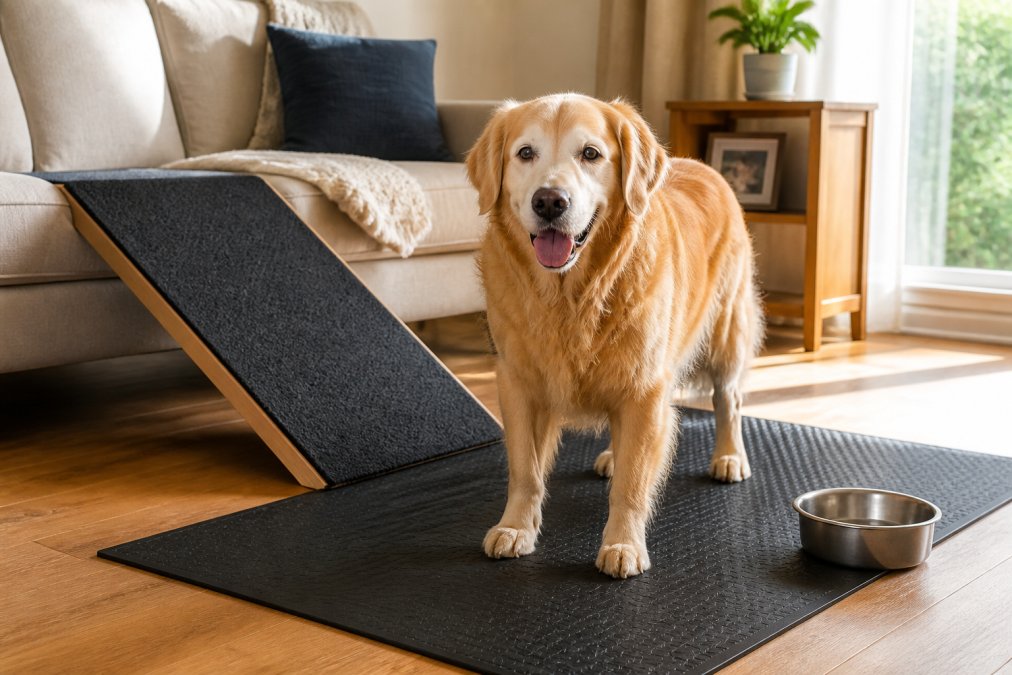
Install ramps or pet stairs next to beds and sofas to eliminate high-impact jumping. For outdoor access, consider a ramp for porch steps. Keep your dog’s food, water, and bed on the ground floor to minimize stair use. Create clear pathways free of clutter, and ensure their sleeping area is warm and draft-free, as cold worsens joint stiffness. These home modifications for senior dogs are relatively inexpensive but deliver immediate improvements in safety and confidence. A dog that no longer fears slipping will move more willingly and maintain better muscle tone.
Step 3: Start a Low-Impact Exercise and Physical Rehabilitation Routine
Exercise is essential, but the type matters immensely. The goal of low-impact exercise is to maintain muscle mass and joint flexibility without exacerbating inflammation. Short, frequent walks on soft surfaces like grass are superior to one long daily walk on pavement. Swimming is arguably the best exercise for arthritic dogs, as it provides resistance without weight-bearing stress. If a pool isn't accessible, many rehabilitation centers offer underwater treadmills.
Physical rehabilitation from a certified therapist can work wonders. These professionals use targeted techniques to improve range of motion and reduce pain. A structured routine of physical therapy exercises is crucial for slowing muscle atrophy and supporting the joints. This is where many pet owners see the most dramatic improvements in their dog’s willingness to move.
Guided Stretches and Range of Motion Exercises
You can perform gentle physical therapy exercises at home between professional sessions. Start by warming your dog’s muscles with a short, slow walk. Then, perform passive range of motion exercises: gently flex and extend each joint, holding the stretch for 5-10 seconds. Focus on the hips, stifles (knees), and shoulders. You should feel resistance but never force a joint past its comfortable limit. A common mistake is moving too quickly; slow, deliberate movements are far more effective. A detailed guide from the International Association of Animal Massage & Bodywork outlines safe stretching protocols. Perform these exercises daily for 10-15 minutes to maintain joint flexibility and build a bond of trust with your dog.
Step 4: Choose the Best Orthopedic Dog Beds for Joint Pain
A proper sleeping surface is a cornerstone of pain management. The best orthopedic dog beds for joint pain use high-density memory foam that contours to your dog’s body, distributing weight evenly and relieving pressure on sore joints. A standard flat bed offers no support, allowing the dog to sink into a position that stresses the hips and spine. When your dog rests, the bed is doing the work of supporting their frame, so it must be constructed to handle their weight without flattening.
Why Memory Foam and Orthopedic Support Matter
The primary benefit of a high-quality orthopedic bed is pressure point relief. When a dog lies on a hard surface, their body weight concentrates on bony prominences like elbows and hips, which is painful and can lead to sores. Memory foam conforms to the body, cradling these areas and promoting better circulation. For large breeds, you need a bed with a thick foam core, typically 7 inches, to prevent the dog from bottoming out. The Cornell University College of Veterinary Medicine's insights on canine mobility highlights that supportive bedding is a key component of managing arthritis in dogs. The Barker Beds XL Orthopedic Dog Bed, with its 7-inch memory foam and washable cover, is an excellent choice for dogs weighing 75-120 pounds, providing the deep support needed for restorative sleep. This orthopedic dog bed for joint pain from NovelPet Store is a long-term investment in your dog’s comfort.

Step 5: Use Traction Aids and Supportive Gear Like Slings
Beyond the home environment, you can help your dog navigate the world with traction aids and supportive gear. Dog boots with rubber soles provide grip on slick sidewalks and icy patches, preventing dangerous falls. For dogs with significant hind-end weakness, a sling or harness is a game-changer. A rear support sling wraps under the dog’s belly and gives you handles to hold, allowing you to bear some of their weight during walks or when helping them rise from a lying position.
Full-body harnesses with a handle over the back are also useful for guiding your dog up stairs or into the car. These assistive devices shift the burden from your dog’s struggling joints to your own muscles, making outings safer for both of you. When choosing a sling, look for padded handles that won’t dig into your hands and a breathable fabric that won’t chafe your dog’s belly. Using these tools consistently can prevent injuries and keep your dog active for longer. They are essential additions to your senior dog mobility toolkit.
Step 6: Manage Weight and Nutrition to Ease Joint Strain
Excess weight is the single most significant factor you can control to improve your dog’s mobility. Every extra pound translates to additional pressure on already inflamed joints. Weight management is not just about feeding less; it’s about feeding smarter. A dog with osteoarthritis requires a diet rich in high-quality protein to maintain muscle mass, but with controlled calories to prevent fat gain. Consider a senior-specific formula or a prescription joint diet that includes omega-3 fatty acids, which have natural anti-inflammatory properties.
Supplements can also play a vital role. Glucosamine and chondroitin sulfate are building blocks of cartilage and may help slow its breakdown. Green-lipped mussel extract is another popular anti-inflammatory supplement. Always consult your veterinarian before adding supplements to ensure they don’t interact with your dog’s medications. This nutritional approach, combined with a consistent exercise routine, is the most effective way to ease joint strain and support long-term senior dog mobility. A leaner dog is a more active dog, plain and simple.
Step 7: Address Pain Management and Caregiver Burnout
Managing chronic pain in a senior dog is a marathon, not a sprint. Alongside veterinary-prescribed medications, you can use complementary therapies like cold laser therapy, acupuncture, and massage to reduce inflammation and ease muscle tension. These treatments can significantly lower the amount of medication your dog needs. Creating a predictable daily routine also helps; dogs in pain find security in consistency, which reduces anxiety-related muscle tension.
Caring for a senior dog with mobility issues is demanding, and your well-being matters as much as your dog’s. Caregiver burnout is real. The physical strain of lifting a large dog and the emotional toll of watching them decline can lead to exhaustion and resentment. It’s essential to ask for help from family or hire a dog walker for the heavy days. Acknowledge your limits and take breaks when needed. Your dog needs you to be strong and patient, which is impossible if you are depleted. Remember that providing palliative care is about maximizing the quality of the time you have left, not just prolonging it. Focusing on comfort and positive interaction is what matters most.
Building a Supportive Care Plan for the Golden Years
Helping your senior dog with mobility is an ongoing process of observation, adaptation, and love. There is no single cure, but a combination of veterinary care, home safety, targeted exercise, and the right support products can dramatically improve their comfort. The journey requires patience, but the reward is more quality time with your loyal companion. For the best orthopedic support, explore the range of orthopedic dog beds for joint pain available at NovelPet Store, designed with the needs of aging dogs in mind.
| Support Area | Key Action | Primary Benefit |
|---|---|---|
| Veterinary Care | Get a formal diagnosis and pain protocol | Targets the root cause safely |
| Home Safety | Add rugs, ramps, and clear pathways | Prevents falls and boosts confidence |
| Exercise | Daily short walks and swimming | Maintains muscle and joint flexibility |
| Bedding | Use a thick memory foam orthopedic bed | Relieves pressure points for better sleep |
| Support Gear | Use slings and harnesses for walks | Reduces joint strain and prevents injury |
| Nutrition | Manage weight and add joint supplements | Eases strain and reduces inflammation |
| Caregiver Health | Ask for help and take breaks | Prevents burnout and ensures quality care |
Every dog ages differently, and what works for one may not work for another. Stay flexible, listen to your veterinarian, and trust your instincts as the person who knows your dog best. The time and effort you invest now will be repaid in tail wags and peaceful nights. Get started with NovelPet Store and give your senior dog the superior comfort they deserve in their golden years.
Frequently Asked Questions
What are the common causes of mobility loss in senior dogs?
Osteoarthritis is the most frequent culprit, causing joint stiffness and inflammation. Other causes include neurological issues, hip dysplasia, muscle mass loss, and injuries. If your dog's gait changes suddenly or they cry out in pain, seek veterinary advice immediately to rule out more serious conditions. A proper diagnosis guides the right supportive care plan.
Are orthopedic dog beds effective for senior dog joint pain?
Yes. A high-quality orthopedic bed with thick memory foam relieves pressure points on the hips, elbows, and spine. This support reduces stiffness after rest and improves sleep quality. For large breeds, look for a 7-inch thick foam base, like the Barker Beds XL, to prevent the dog from sinking through to the floor.
What home modifications help senior dogs with arthritis?
Place non-slip rugs or mats over slippery floors to improve grip. Install ramps for stairs, sofas, and vehicles to reduce the need to jump. Raise food and water bowls to avoid neck strain. Ensure the bed is accessible and away from drafts. These simple changes reduce fall risk and make daily movement easier for your dog.
When should I consider a sling or harness for my dog's mobility?
Use a rear-support sling or harness when your dog's hind legs wobble or cross during walking. It helps them balance and takes weight off their hips. A sling is also helpful for supporting them during bathroom breaks on slippery surfaces. For dogs that struggle to stand after rest, a harness provides the needed lift without putting strain on their neck.
This article was written using GrandRanker