

How to Help Senior Dog Arthritis: 7 Steps
Table of Contents
- Recognizing Signs of Arthritis in Dogs
- Step 1: Choose the Right Orthopedic Bed for Joint Support
- Step 2: Add Dog Arthritis Supplements to Daily Routine
- Step 3: Manage Weight to Reduce Joint Stress
- Step 4: Implement Physical Therapy for Dogs
- Step 5: Explore Medications and Pain Management
- Step 6: Modify Your Home Environment
- Conclusion
Last Updated: August 15, 2026
Recognizing Signs of Arthritis in Dogs
Senior dogs often show subtle changes in movement and behavior that signal senior dog arthritis is developing. Early indicators include stiffness when standing after rest, reluctance to jump or climb stairs, and a slower gait. Many dog owners assume their aging pet is simply "slowing down," but early recognition makes a meaningful difference in quality of life.
Osteoarthritis is the most prevalent form of arthritis in dogs, occurring when cartilage degradation reduces joint lubrication and causes inflammation. Your senior dog may favor one limb, limp after exercise, or show visible pain when touched on affected joints. Some dogs become less interested in activities they once loved because movement triggers discomfort.
Watch for these specific behavioral changes: difficulty rising from lying down, hesitation at doorways or when entering water, excessive licking or chewing at joints, and changes in posture or gait. Cold, damp weather often exacerbates stiffness. If your senior dog displays any combination of these signs, a veterinary consultation is essential to confirm arthritis and rule out other joint or bone conditions.
Step 1: Choose the Right Orthopedic Bed for Joint Support
An orthopedic dog bed is one of the most impactful investments you can make for a senior dog with arthritis. Unlike standard beds, orthopedic designs use memory foam or high-density foam that conforms to your dog's body, distributing weight evenly and reducing pressure points on painful joints. This support is especially critical during sleep, when your dog spends 12-16 hours daily.


The bed should have a firm base that doesn't sag, combined with cushioning that allows your dog to sink slightly without bottoming out. For large dogs weighing over 75 pounds, standard beds compress too quickly and fail to provide adequate support. NovelPet Store offers the Barker Beds XL Orthopedic Dog Bed, specifically designed for large dogs weighing 75-120 pounds, featuring a 7-inch memory foam mattress with a supportive headrest and washable cover. For giant breeds exceeding 120 pounds, the Barker Beds Giant Orthopedic Dog Bed provides 60" × 48" of space with a 7-inch memory foam core.

Position the orthopedic bed in a quiet, temperature-controlled area away from drafts and high-traffic zones. Avoid placing it on cold tile or concrete floors; a carpeted or insulated surface helps retain warmth and reduces joint stiffness. Many senior dogs appreciate beds with bolstered edges, which provide security and help them rise more easily.
Step 2: Add Dog Arthritis Supplements to Daily Routine
Dog arthritis supplements support joint health by providing compounds that help maintain cartilage structure and reduce inflammation. The most researched ingredients include glucosamine, chondroitin, and omega-3 fatty acids. Glucosamine helps rebuild cartilage matrix, while chondroitin improves joint lubrication. Omega-3 fatty acids reduce systemic inflammation, benefiting joints and overall health.
Many dog owners report visible improvements in mobility within 4-8 weeks of consistent supplementation, though results vary by individual dog and supplement quality. Consistency is key; supplements work best as a preventive measure or early intervention, not as a last resort when arthritis is severely advanced.
When selecting supplements, look for products with transparent ingredient lists and dosing instructions based on your dog's weight. Some supplements combine glucosamine, chondroitin, MSM (methylsulfonylmethane), and turmeric. MSM may help reduce inflammation and support collagen formation. Turmeric contains curcumin, which has natural anti-inflammatory properties, though absorption improves when combined with black pepper (piperine).
Quality matters significantly. Veterinary-recommended supplements undergo quality testing and contain standardized ingredient concentrations. Your veterinarian can recommend specific products suited to your dog's condition and help you monitor whether supplementation is providing benefit.
Step 3: Manage Weight to Reduce Joint Stress
Weight management is one of the most underrated interventions for senior dogs with arthritis. Every extra pound of body weight places additional stress on joints, accelerating cartilage wear and increasing inflammation. A dog that is even 10-15% overweight experiences measurably greater joint stress during movement.
Assess your dog's current weight with your veterinarian. Many senior dogs gain weight as activity naturally decreases with age, creating a vicious cycle: pain reduces movement, reduced movement causes weight gain, and weight gain increases pain. Breaking this cycle requires gradual, sustainable dietary changes.
Feed measured portions based on your dog's ideal weight, not current weight. Reduce treat calories by substituting low-calorie options like green beans, carrots, or apple pieces. Avoid table scraps, which add empty calories. If your dog is accustomed to frequent treats, replace some with affection or mental enrichment instead.
Weight loss should be gradual, aim for 1-2% of body weight per week. Rapid weight loss can cause nutritional deficiencies and muscle loss, which actually weakens joint support. Consult your veterinarian about appropriate caloric intake and monitor progress monthly. Many dogs show improved mobility and reduced pain within 8-12 weeks of reaching a healthier weight.
Step 4: Implement Physical Therapy for Dogs
Physical therapy for dogs with arthritis focuses on maintaining range of motion, building supportive muscle, and improving circulation to affected joints. Controlled gentle exercise promotes healing and functional improvement without triggering excessive inflammation.
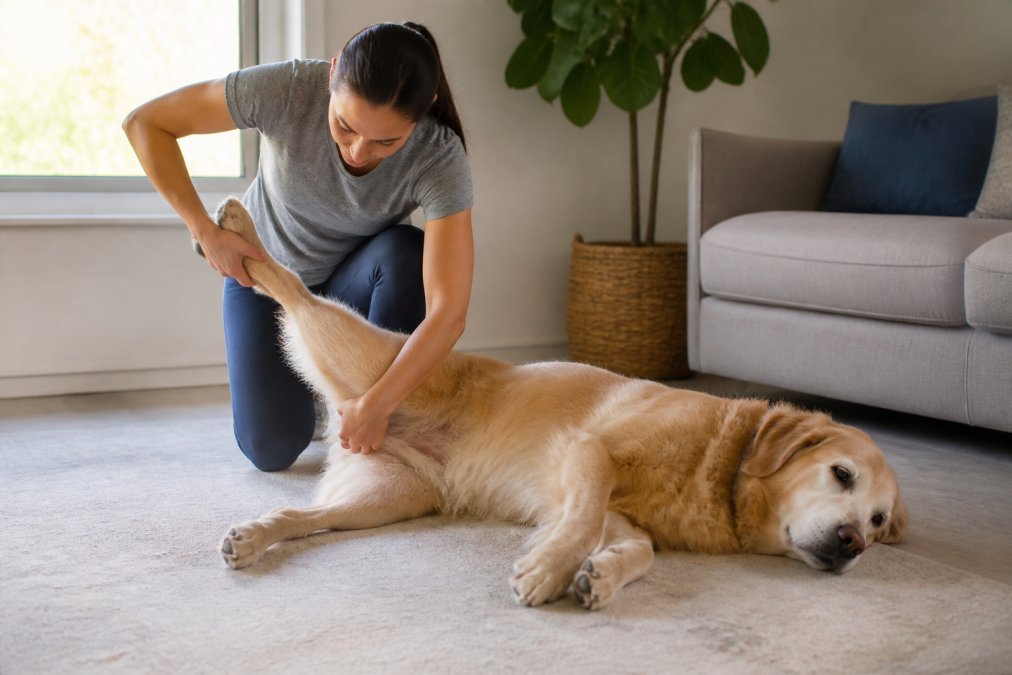
Warm compresses applied before activity increase blood flow and reduce stiffness. Wrap a heating pad in a towel and apply it to affected joints for 10-15 minutes before exercise. This simple step significantly reduces pain during movement, especially on cold mornings.
Controlled walking is the foundation of physical therapy. Short, frequent walks on soft surfaces like grass or dirt are ideal; hard pavement can jar joints painfully. Aim for 2-3 short walks daily (10-15 minutes each) rather than one long walk. Allow your dog to set the pace and stop if they show signs of discomfort. Swimming or wading in shallow water provides excellent low-impact exercise because buoyancy reduces joint stress while resistance builds supportive muscle.
Massage can reduce muscle tension and improve circulation. Gently massage affected joints and surrounding muscles using slow, circular motions. Laser therapy is an evidence-based treatment that uses light energy to reduce inflammation and promote tissue healing; many veterinary clinics now offer this service.
Home-based stretching exercises should be gentle and never forced. Slow, passive range-of-motion movements maintain joint mobility. Consult your veterinarian or a certified canine rehabilitation specialist for specific exercises tailored to your dog's condition.
Step 5: Explore Medications and Pain Management
Nonsteroidal anti-inflammatory drugs (NSAIDs) are the most commonly prescribed medications for canine arthritis. These medications reduce inflammation and pain, allowing your senior dog to move more comfortably and participate in physical therapy. Common canine NSAIDs include carprofen, meloxicam, and firocoxib. Each may affect individual dogs differently, so finding the right medication sometimes requires trial and adjustment.
NSAIDs work best when started early in arthritis progression. Your veterinarian will prescribe the lowest effective dose to minimize side effects. Regular monitoring through blood work ensures the medication isn't affecting liver or kidney function, which is especially important in senior dogs.
Prescription joint supplements like adequan (polysulfated glycosaminoglycan) are injected medications that reduce cartilage degradation and improve joint lubrication. These are often used alongside NSAIDs and may provide additional benefit beyond oral supplements.
For dogs that don't respond well to NSAIDs or develop side effects, alternative medications exist. Tramadol is an opioid pain reliever used for moderate-to-severe pain. Gabapentin is a nerve pain medication sometimes used for chronic arthritis pain. Your veterinarian will consider your dog's overall health, kidney and liver function, and concurrent medications when selecting pain management.
Important caution: Never give your dog over-the-counter human pain medications like ibuprofen or acetaminophen. These are toxic to dogs and can cause serious organ damage even at seemingly reasonable doses. Always use veterinarian-prescribed medications at prescribed dosages.
Step 6: Modify Your Home Environment
Environmental modifications make movement easier and reduce pain triggers for senior dogs with arthritis. Small changes throughout your home can dramatically improve your dog's daily comfort and independence.
Install ramps or steps at entrances, furniture, and vehicles. Many senior dogs struggle with stairs due to joint pain; a ramp allows them to access favorite spots without the jarring impact of jumping or climbing.
Use non-slip flooring in high-traffic areas. Hardwood and tile floors are slippery and force arthritic dogs to work harder for traction, increasing joint stress. Place area rugs or non-slip mats in hallways, near food bowls, and on stairs.
Elevate food and water bowls to reduce bending strain on neck, shoulders, and front legs. Raised feeders are especially helpful for senior dogs and improve digestion.
Create a comfortable sleeping area in a quiet, temperature-controlled space away from household traffic. An orthopedic bed placed on an insulated surface in a draft-free location is ideal.
Manage temperature carefully. Cold exacerbates joint stiffness, so provide warm sleeping areas and consider a dog coat or sweater for outdoor time during cool months.
Reduce obstacles and clutter. Clear pathways so your dog can move freely without navigating around objects. This is especially important if your dog's mobility is limited.
Consider a dog door or easy access to outdoor relief areas. Senior dogs with arthritis may have reduced bladder control and need more frequent bathroom breaks.
Helping a senior dog with arthritis requires a multi-faceted approach combining proper support, targeted movement, pain management, and environmental adaptation. The most effective strategy combines orthopedic bedding, supplements, weight management, and veterinary care tailored to your dog's individual needs. At NovelPet Store, we understand that senior dogs deserve exceptional comfort; our vet-recommended orthopedic beds with memory foam are specifically designed to provide the joint support and pain relief your aging companion needs. Start with a quality orthopedic bed and work with your veterinarian to implement the remaining steps. Your senior dog's improved mobility, reduced pain, and restored quality of life make every effort worthwhile.
| Intervention | Best Timing | Expected Timeline | Priority Level |
|---|---|---|---|
| Orthopedic bed | Immediately | Comfort within days | High |
| Dog arthritis supplements | Early-to-moderate disease | 4-8 weeks for results | High |
| Weight management | Ongoing | 8-12 weeks for results | High |
| Physical therapy | Throughout disease course | Continuous benefit | Medium |
| NSAIDs | Early-to-moderate disease | Immediate pain relief | High |
| Home modifications | Immediately | Comfort within days | Medium |
| Laser therapy | Any stage | Varies by individual | Medium |
According to veterinary orthopedic research, early intervention with multiple modalities significantly improves long-term outcomes for senior dogs with arthritis. The American Animal Hospital Association guidelines recommend a combined approach addressing pain, mobility, and quality of life rather than relying on a single treatment. Research from canine rehabilitation studies demonstrates that dogs receiving physical therapy alongside medication show greater functional improvement than those using medication alone.
Human medications pose serious risks to dogs. The ASPCA Animal Poison Control Center receives thousands of calls annually from owners who unknowingly gave their dogs ibuprofen or other NSAIDs intended for humans, resulting in kidney damage and gastrointestinal bleeding in many cases.
Frequently Asked Questions
What are the early signs of arthritis in senior dogs?
Early signs include stiffness when rising, limping, reluctance to climb stairs or jump, and reduced activity levels. Your senior dog may also show sensitivity when touched on affected joints or move more slowly during walks. Watch for changes in posture or reluctance to play. If you notice any of these signs, consult your veterinarian for diagnosis and to start managing pain early.
Do dog arthritis supplements like glucosamine and chondroitin actually work?
Glucosamine and chondroitin are among the most researched joint supplements for dogs. They work by supporting cartilage health and reducing inflammation. Many dog owners report noticeable improvement in mobility within 4-6 weeks. Omega-3 fatty acids and MSM are also effective options. Results vary by dog, but combining supplements with other strategies like orthopedic beds and controlled exercise typically yields the best outcomes.
Can I use human arthritis medication for my dog?
Never give your dog human medications without veterinary approval. Some human pain relievers are toxic to dogs. Your veterinarian may prescribe NSAIDs specifically formulated for dogs, which are safer and dosed appropriately for your pet's weight. Always follow your vet's dosage instructions carefully and monitor for side effects. This is critical for your senior dog's safety.
How can I help my senior dog with arthritis at home?
Create a comprehensive home care plan: invest in an orthopedic bed with memory foam to support joints while resting, maintain healthy weight to reduce stress on joints, provide joint supplements daily, offer gentle exercise like short walks, use warm compresses on stiff areas, and modify your home with ramps or steps to avoid jumping. Mental enrichment through puzzle toys also helps keep low-mobility dogs engaged and happy.
This article was written using GrandRanker